
immigration

A Law Student's Journey at the Border with Project Corazon

Written by Tamara Shamir, JD Candidate at Harvard Law School

Halfway through law school, my best law school friend and I drove to the Texas-Mexico border with another student for “J-term” – a brief internship with Proyecto Corazon (Project Corazon) at Lawyers for Good Government. I didn’t know exactly what to expect. I had heard a lot about my supervisor, Priscilla Orta, and admired her mix of aggressive border patrol watchdog and responsive community lawyering. But I questioned what, exactly, a law student could do to join her, especially with so little time. 

The answer was a lot – far more than I could have imagined.

I won’t try to give a full account of the days I spent there – intensely engaging, at times infuriating, often wildly joyful. I volunteered in the welcome center; I received intensive, lengthy, and highly useful lectures from Priscilla; I provided – together with my friend – direct service to asylum seekers. Above all, I regained my conviction about the value of community lawyering. 

It’s easy to lose conviction in law school. The law is murky, ambiguous, and often used as an instrument of evil, not good. Lawyers enable and advance a system so procedurally unwieldy and ornate that it is difficult to see lawyering as anything but the entrenchment of inaccessibility, or the entrenchment of hierarchies in accessibility. 

But when my friend and I had finished our first discrete legal task – a work permit application, submitted online  – all the uncertainties and intellectualizing fostered by law school faded. I remember it well – we were eating waffles covered in dulce de leche, somewhat elated. The work permit had felt critical, and its submission was a step forward – our client did not have a safe housing arrangement and had already been exploited for labor because of it. The work permit would open a pathway to formal work, higher wages, and, we hoped, to eventual safety and stability. 
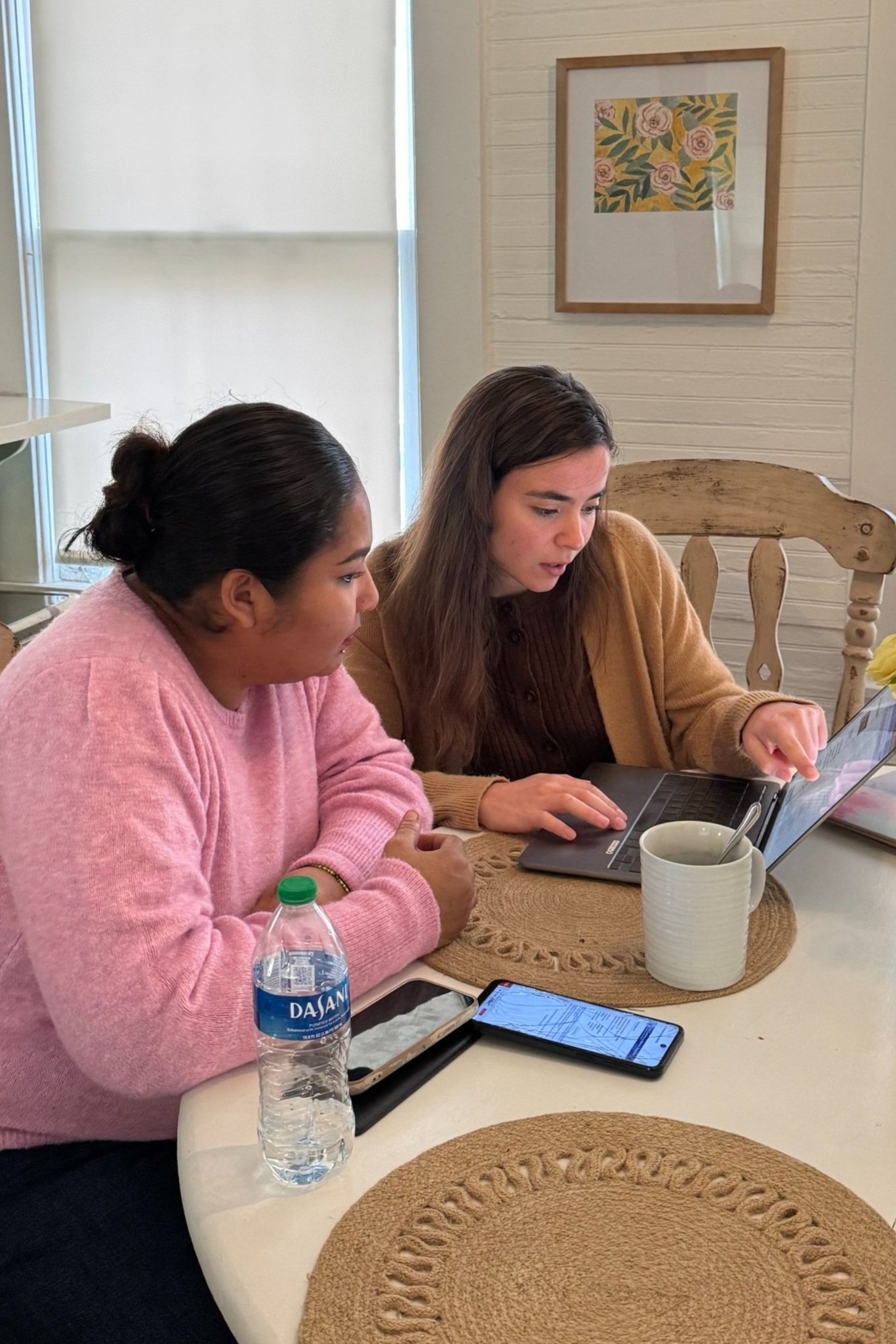
“It’s just – it’s so doable,” my friend said – of the application we had submitted (although it had taken four hours working together to figure out the opaque online portal), of providing direct service, of ameliorating emergencies, of obtaining small and crucial remedies. “It’s so deeply doable.”

To my surprise, I felt a tremor of pleasure, followed by sudden grief.

“I know,” I managed to respond.

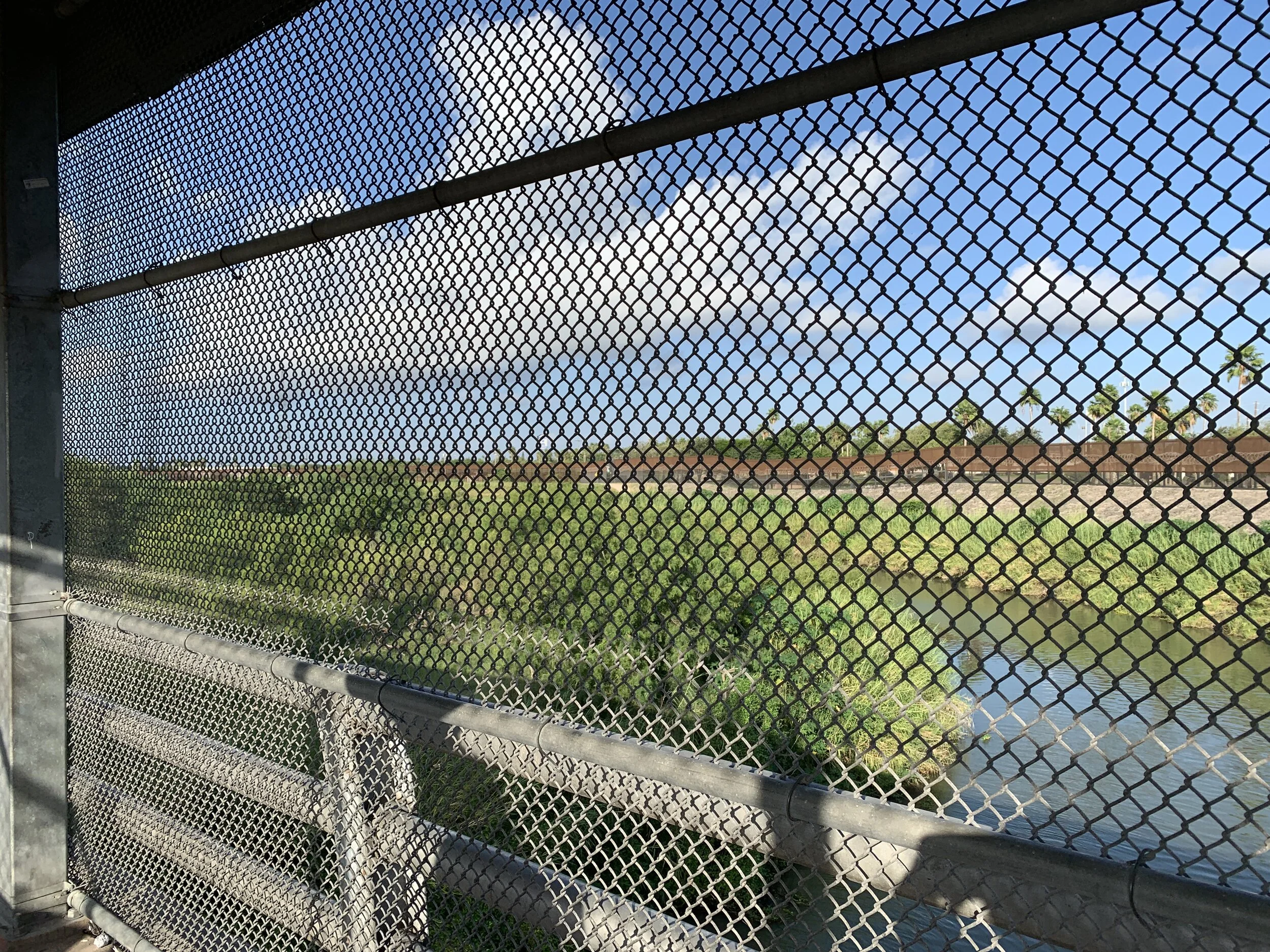
It’s just so deeply doable, the work. By doable, I don’t mean easy;  it’s hard, by design, choked by difficult procedural constraints that I’ve learned to conceptualize as a bureaucratic border wall, a guarantee that people without legal counsel cannot make it on their own. It’s so hard, I sometimes remind myself, that the same people who had the resourcefulness, resilience, and sheer will to make journeys across multiple countries –  journeys whose difficulties often stretch well beyond the limits of my imagination – can very rarely gain access to the remedies they need to secure their safety.  
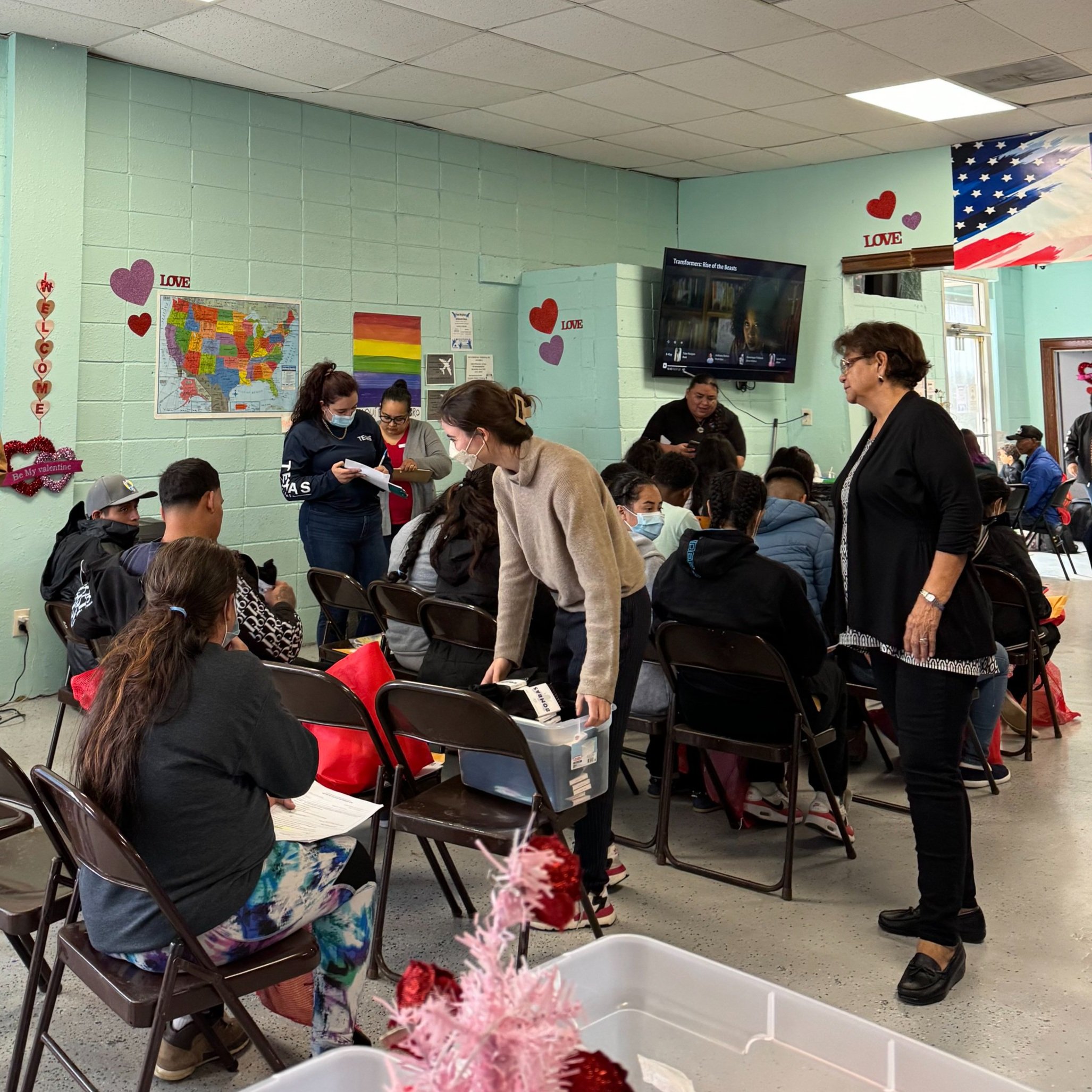
But it’s workable. One by one, case by case, you can chip holes into the bureaucratic wall and carve out a pathway to the legal relief people need. There are no kaleidoscoping normative results; there is no analysis of the entrenchment of hierarchy through procedure.

On the ground, there’s an individual or a family and a set of discrete actions that need taking. Action—good action—is doable. There’s also a grief to it – the doability – because it so rarely gets done.

“I don’t understand what people do without lawyers,” my friend said almost daily during our time at the border; the answer being, of course, that they never gain access to rights and remedies.

I was reminded, vividly, of what drove me to law school in the first place  – the steepness of the immigration system, the scale of need, the possibility of frontline, direct relief – for a long time. 

It took just a few days at the border to bring me back to the revelation that drove me to law school in the first place (and to undo the effects of its pedagogy): to grasp, viscerally, the realness of systems, the possibility of forging narrow paths through them, and the worth of doing so.

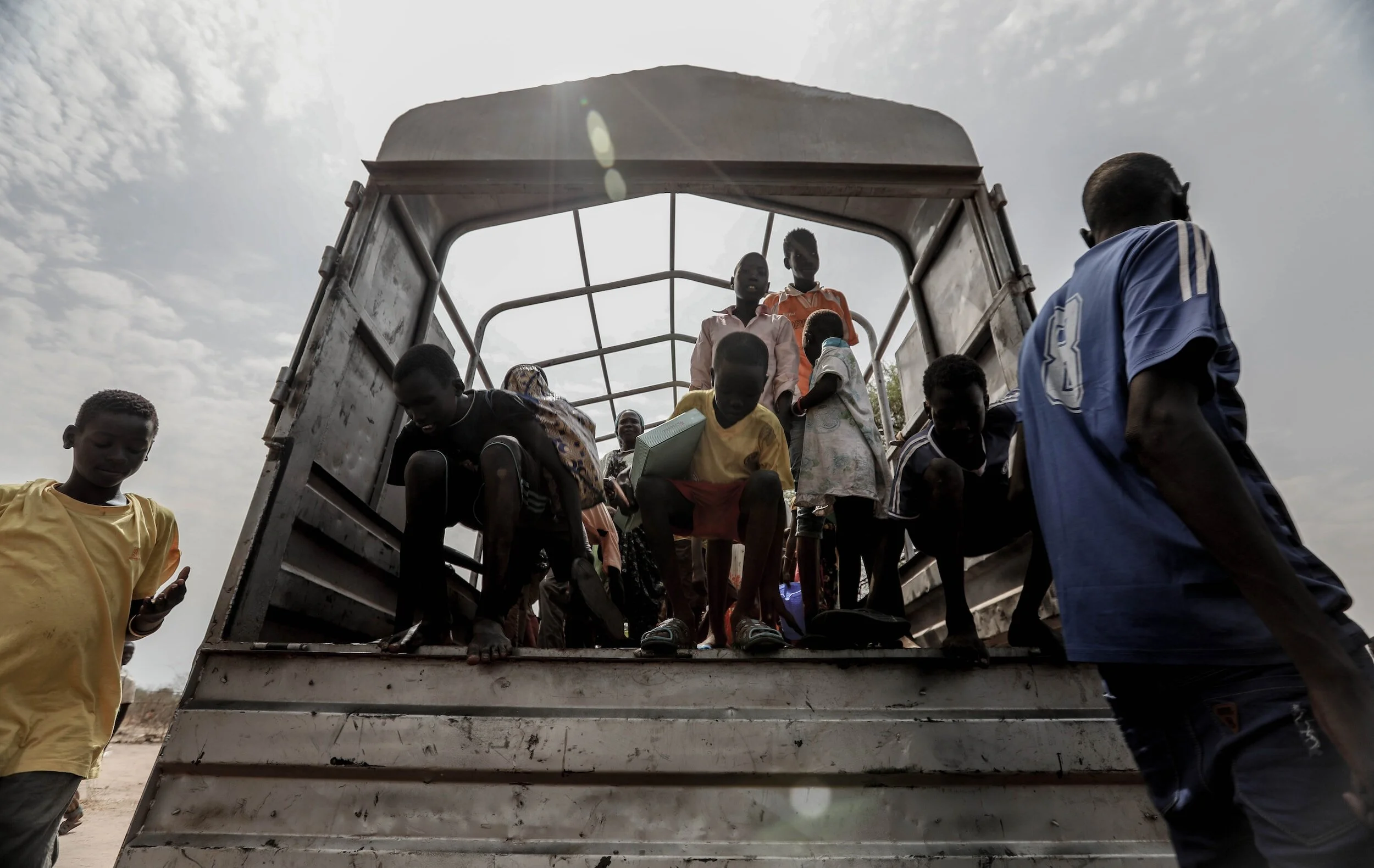
I am beyond grateful to Proyecto Corazon for reminding me of what it means to build community power, and of the possibility and importance of tearing small holes into the bureaucratic wall. 


Trading Lives for Funding: L4GG Condemns the Proposed Exchange of Asylum Rights for Military Aid

Washington, D.C. - Lawyers for Good Government (L4GG), a leading non-profit organization that mobilizes legal support for asylum seekers at the U.S.-Mexico border and throughout the country, vehemently opposes the Senate supplemental funding bill that would violate the due process rights of asylum seekers, exacerbate humanitarian conditions on the border, and dangerously restrict access to the asylum system in the United States. These immigration proposals, which are part of a deal tied to foreign military funding, threaten to deny the freedom, protection, and lives of countless immigrants while expanding deportations.

These proposed legislative changes include the following harmful provisions:

  • A new Title 42-like expulsion authority, mandating that asylum seekers be turned away from our borders and barred from commencing an asylum claim based on border “trigger numbers,” or quotas

  • Dismantling of due process for asylum seekers via a new fast-tracked system for asylum processing at the border, under surveillance and with no judicial review

  • Heightened standards and new bars to eligibility at threshold asylum screenings, which will cause passage rates to plummet and return legitimate asylum seekers to life-threatening situations

Priscilla Orta, Supervising Director of Project Corazon at Lawyers for Good Government, states, “Removing judicial review and the ability to appeal from asylum decisions is a grave violation of due process rights for a proceeding that has the highest possible stakes - life or death. This is just one of many threats to the fundamental principles of human rights present in the Senate supplemental funding bill, which will certainly disproportionately endanger the lives of Black, Indigenous, LGBTQI+, women, and children asylum seekers. These measures are not about enhancing border security but about closing our doors to those in dire need of sanctuary."

Estuardo Cifuentes, a Guatemalan asylum seeker and Client Manager of Lawyers for Good Government’s Project Corazon, further emphasizes, “The proposed legislation is a step in the wrong direction and instead marks a disturbing escalation beyond even what we saw under the Trump Administration. We must remember these policies will impact real people fleeing persecution and danger, people in extremely vulnerable conditions who have stories, dreams, and the fundamental right to seeking safety. As a nation, we have the power and responsibility to offer more than just shelter. Any immigration reform should align with our deepest values ​​and our long-term commitment to justice and humanity.”

Nearly 200 organizations, along with the Congressional Hispanic Caucus and multiple Senators, have raised alarms about these proposals. They stand in solidarity with L4GG in urging Congress and the White House to reject these inhumane measures that compromise the very essence of the U.S. asylum system.

Priscilla Orta concludes, "We call on Majority Leader Schumer, President Biden, and Congress to stand firmly against these efforts to end asylum in the supplemental funding bill and instead uphold our moral duty to protect refugees and asylum seekers.”

###
Lawyers for Good Government (L4GG) coordinates large-scale pro bono programs and issue advocacy efforts to protect human rights, defend the environment, and ensure equal justice under the law, and has a network of 125,000+ lawyers to assist in its efforts.

Changing Asylum Standards Would Return Refugees to Persecution and Death

Changing Asylum Standards Would Return Refugees to Persecution and Death

As negotiations on President Biden’s supplemental funding request continue in the U.S. Senate this week, Lawyers for Good Government strongly opposes a reported deal that would gut the U.S. asylum system, create chaos at the border, and return refugees to danger and death.

Emergency: Stop Human Rights Abuses at the Southern border

Dear Community,

When I asked you to step up in response to the Muslim ban in 2017, you did. When babies were being torn from their parents’ arms in 2018, you joined the fight. And when thousands of families were living in unsanitary, makeshift refugee camps at the border in 2019, the L4GG community stepped up yet again, establishing a full-time legal clinic for asylum seekers in the Rio Grande Valley. For years we have stood together, helping save thousands of lives and fighting for the rights of asylum seekers at the border. But over the past few weeks the situation at the border has gotten significantly worse - and unfortunately I have to ask for your help one more time. 


Please, take a moment to read this post and learn about the gross human rights abuses we are trying to prevent. You can make a difference in this fight. 

First, CBP (Customs and Border Patrol) is now mandating that asylum seeker use a mobile app called CBP One to request exemptions from Title 42. Without an exemption, asylum seekers at our southern border are unable to cross into the United States and make their claim for asylum - but the only way to get an exemption is through an app that has raised numerous concerns regarding the accuracy of its technology, inequities in its accessibility, and potential privacy risks. In addition to excluding LGBTQ+ individuals from being able to seek safety in the U.S., our Project Corazon staff have also seen other troubling issues with the app, including:
 

  • Getting an appointment in the app is the only way to seek asylum currently and it is nearly impossible, as the limited slots released daily fill up instantaneously. Most asylum seekers are stuck waiting in tents in Mexico without the ability to secure an appointment.

    • Asylum seekers like Waleska, a Honduran trans woman fleeing violence. Although she finally got a phone after all of her belongings were stolen in Mexico, the CBP One app slows down each morning when appointments become available, and she hasn’t secured one yet. 

  • Asylum seekers suffering medical emergencies are required to secure appointments weeks in advance, leaving them at risk of dying in Mexico as they wait to secure and attend an appointment. 

    • Asylum seekers like the Julian family, whose 4-year-old child was extremely sick with a potentially cancerous tumor. They were forced to wait nearly a week while we fought their case; meanwhile, their child had difficulties eating and was at risk of missing her window of opportunity for treatment.

  • Families are being left behind; appointments must be secured for each family member at the same time, which is virtually impossible due to limited availability. 

    • Families like the Hernandez family, who have four children and to date have not been able to secure six appointments together. Mom and Dad, who fled Venezuela after a police attack, must wait together in Matamoros for an appointment for a chance at keeping their family together.

A family waits to apply for asylum from inside a refugee camp in Reynosa, MX.

Second, and to make matters worse, in a court filing last week, the Biden Administration announced it intends to issue a proposed rule known as the “transit ban,” a rule that will block any person who has traveled through a third-country on their way to the border, including Mexico, from seeking asylum.

This proposed policy will directly cause death and trauma. More than 95% of our current clients, including those fighting tooth and nail for exemptions in the CBP One app would be disqualified from seeking asylum. Without reaching our borders, many of our clients will die. 

We Need Your Help. L4GG has been working on the Hill and coordinating with other organizations about the issues with the CBP One app, and we will now be joining larger advocacy efforts against the transit ban. But we cannot do this alone. 

We need the country’s eyes on this issue if we want something to change. 
 

  1. Urge your Senators and Representatives to join this letter about the transit ban and the CBP One app issues currently being led by Reps. Chuy Garcia (D-IL) and Raúl Grijalva (D-AZ). 

    • If you have any connections on the Hill, please work with staffers in your network to urge Members of Congress to join this letter. The deadline to sign the letter is this Friday, February 17th at 2 pm ET.
       

  2.  Please share this post with like-minded justice warriors and/or members of the media in your network. In particular, we need the media to cover the impact of these policies on the people at the border. L4GG is ready to help tell these stories.
     

    • We’re continuing to compile examples of how this policy impacts migrants. If you’re an immigration attorney and would like to share your experience, please reply to this email.
       

  3. Donate to Lawyers for Good Government and Project Corazon. Your support makes it possible for us to defend against human rights abuses. Every dollar helps.


Thank you for joining in this fight. By lifting up our voices together, we can and will save lives, protect LGBTQ+ people from abuse, and keep families together. We will keep you updated as we continue to advocate for humane immigration policies.

In solidarity,
Traci

Traci Feit Love
Founder and Executive Director
Lawyers for Good Government (L4GG)

TELL BIDEN ADMINISTRATION: Protect Ukrainians in the United States

In response to Russia’s military invasion of Ukraine, L4GG is working on two important fronts to ensure that the U.S. government protects Ukrainian nationals within the U.S. We invite you to join us today.

CALL FOR TEMPORARY PROTECTED STATUS (TPS) FOR UKRAINIANS IN THE US.

We’ve written a letter to President Biden, Secretary of Homeland Security Mayorkas, and Secretary of State Blinken urging them to designate the 30,000 Ukrainian nationals within the United States as eligible for Temporary Protected Status (TPS) or Deferred Enforced Departure (DED), as well as Special Student Relief (SSR).  TPS provides protection from deportation and permission to work for eligible nationals of countries that have been designated temporarily too dangerous for return.

Join us today by calling directly on the Biden Administration to make this designation.

CLICK TO TWEET:

The serious and ongoing armed conflict in Ukraine is a humanitarian crisis. @POTUS @SecMayorkas must immediately designate TPS or DED and SSR for Ukraine. Read letter from @lawyers4goodgov calling for TPS: https://L4GG.org/TPS4UkraineLetter

A country reeling from military aggression is not appropriate for safe return! We urge @SecMayorkas to designate Ukraine for #TPS and protect 30,000 people from deportation. Read letter from @lawyers4goodgov: https://L4GG.org/TPS4UkraineLetter

COPY AND PASTE TO FACEBOOK:

A country reeling from military aggression is not appropriate for safe return! We urge President Biden and Secretary Mayorkas to designate Ukraine for #TPS and protect 30,000 people from deportation.

Read L4GG’s Letter Here: https://L4GG.org/TPS4UkraineLetter.

DEVELOPING RAPID RESPONSE PRO BONO PROJECT TO ASSIST UKRANIAN NATIONALS

Just as we’ve done in similar moments of crisis, we’re currently working in coalition with partner organizations to better ascertain the needs of Ukrainian nationals and determine how L4GG might be able to mobilize the legal profession to help at this moment. If TPS/DED status is granted to Ukraine, we intend to move very quickly to implement a new pro bono project to provide legal assistance. We have already begun building the infrastructure for this potential project and will keep you apprised as things develop.

Urgency to Continue Transitioning to Renewable Energy

The war in Europe also highlights the urgency for the US to transition to renewable energy sources and away from reliance on fossil fuels and petrostates like Russia. L4GG remains committed to helping localities transition to renewable energy, and you can learn more about our work doing so with our Climate Change program here


L4GG Joins 28 Organizations in Amici Brief Showing Harms from Title 42

L4GG Joins 28 Organizations in Amici Brief Showing Harms from Title 42

On Friday, September 24, Lawyers for Good Government (L4GG) and its immigrants’ rights initiative Project Corazon joined a diverse coalition of 28 other organizations to file an amici curiae (“friends of the court”) brief illustrating the particular harm and suffering that Title 42 - a racist Trump-era policy that uses the pretense of the pandemic to expel migrants—inflicts on children and their families.

L4GG Launches Work Permit Pro Bono Program to Help Asylum-Seekers Provide for Families

L4GG Launches Work Permit Pro Bono Program to Help Asylum-Seekers Provide for Families

L4GG’s Project Corazon has launched the Work Permit Pro Bono Project, a program to assist US-based asylum seekers in applying for Employment Authorization Document (EAD) cards, also known as work permits, helping them to support themselves and their families for the duration of their asylum proceedings.

L4GG Announces Thriving Families Campaign to Reunite Families & Provide Opportunities for Asylum Seekers

L4GG Announces Thriving Families Campaign to Reunite Families & Provide Opportunities for Asylum Seekers

This August, the L4GG community is coming together to support Project Corazon with two vital missions:

  1. Reuniting families who have been separated at the border; and

  2. Making sure that asylum seekers in the US have proper work authorization so they can provide for their families.

What Vice President Harris Should Know About the Southern Border

What Vice President Harris Should Know About the Southern Border

Kamala Harris’ recently made a much-anticipated trip to the southern border region with Secretary Mayorkas. I hope that the visit will result in positive policy changes for the families fleeing danger that I work with daily, but that remains to be seen. I hope that Vice President Harris met with people who live and work in the southern border region, but as a woman of color, a fellow attorney, and one that works on the front lines with migrants seeking safety at our borders daily, this is what I would tell Vice President Harris if we were to sit down in a room together.