Featured

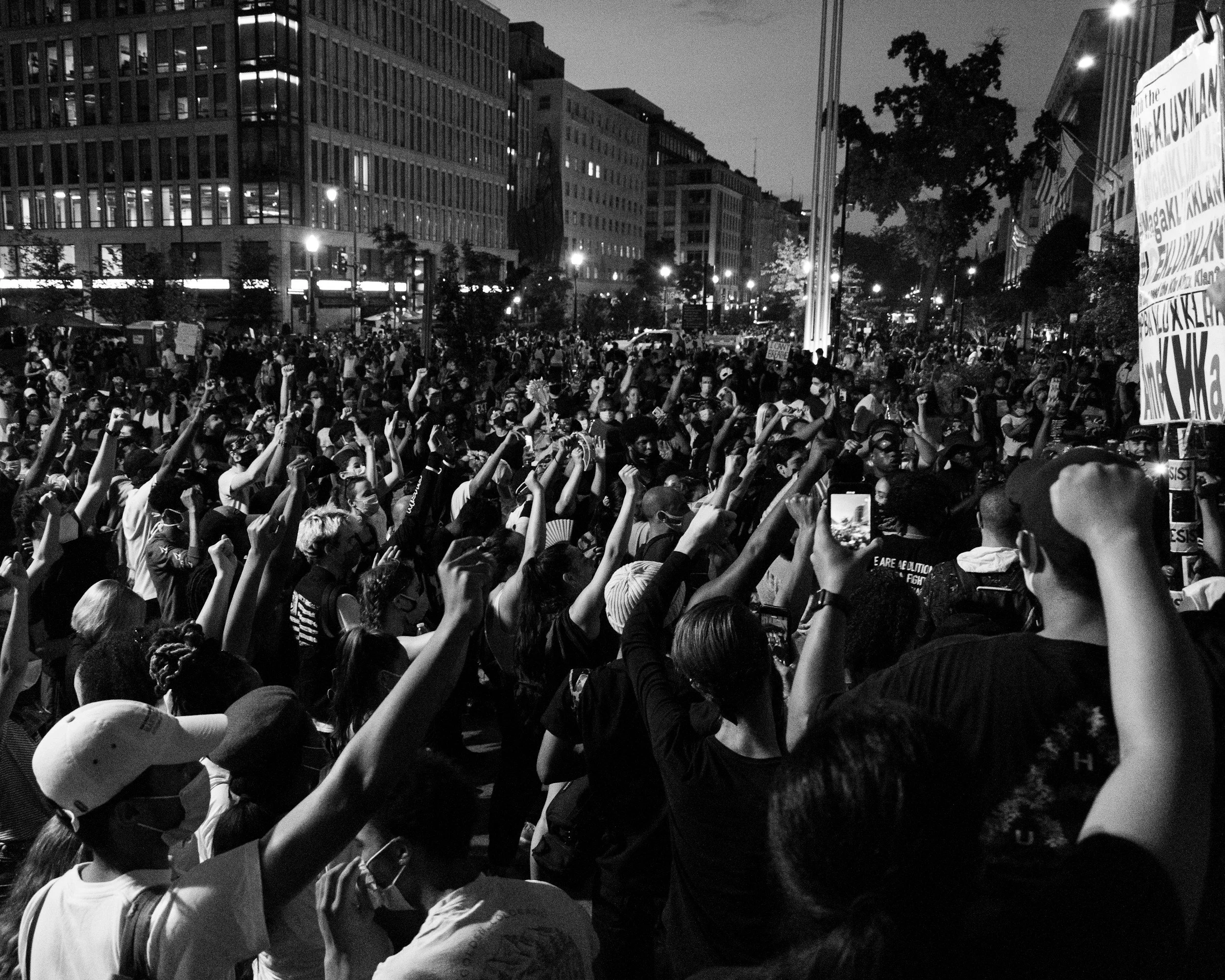





Bodily autonomy, the fundamental right to make decisions about one’s own body without coercion or harm, and health equity, the principle that everyone is able to attain their full potential for health and wellbeing, depend on freedom from state violence. State violence refers to the use of force, intimidation, and oppression by a government against citizens and noncitizens alike, and is deeply entangled with white supremacy, policing, and criminalization. These systems are fundamentally incompatible with the tenets of bodily autonomy and health equity, as they function as root causes of health disparities by undermining community health—heightening psychological distress, worsening pregnancy outcomes, and restricting access to medical care.
L4GG Litigation Director Amy Powell traveled to El Paso as a lawyer. She came back with dust in her hair, dirt in her lungs, and a clearer sense of what justice actually requires. Here, she shares a first-hand account of what she witnessed inside one of the country's largest immigration detention facilities — and why more attorneys are urgently needed.
Bodily autonomy, the fundamental right to make decisions about one’s own body without coercion or harm, and health equity, the principle that everyone is able to attain their full potential for health and wellbeing, depend on freedom from state violence. State violence refers to the use of force, intimidation, and oppression by a government against citizens and noncitizens alike, and is deeply entangled with white supremacy, policing, and criminalization. These systems are fundamentally incompatible with the tenets of bodily autonomy and health equity, as they function as root causes of health disparities by undermining community health—heightening psychological distress, worsening pregnancy outcomes, and restricting access to medical care.
Bodily autonomy, the fundamental right to make decisions about one’s own body without coercion or harm, and health equity, the principle that everyone is able to attain their full potential for health and wellbeing, depend on freedom from state violence. State violence refers to the use of force, intimidation, and oppression by a government against citizens and noncitizens alike, and is deeply entangled with white supremacy, policing, and criminalization. These systems are fundamentally incompatible with the tenets of bodily autonomy and health equity, as they function as root causes of health disparities by undermining community health—heightening psychological distress, worsening pregnancy outcomes, and restricting access to medical care.
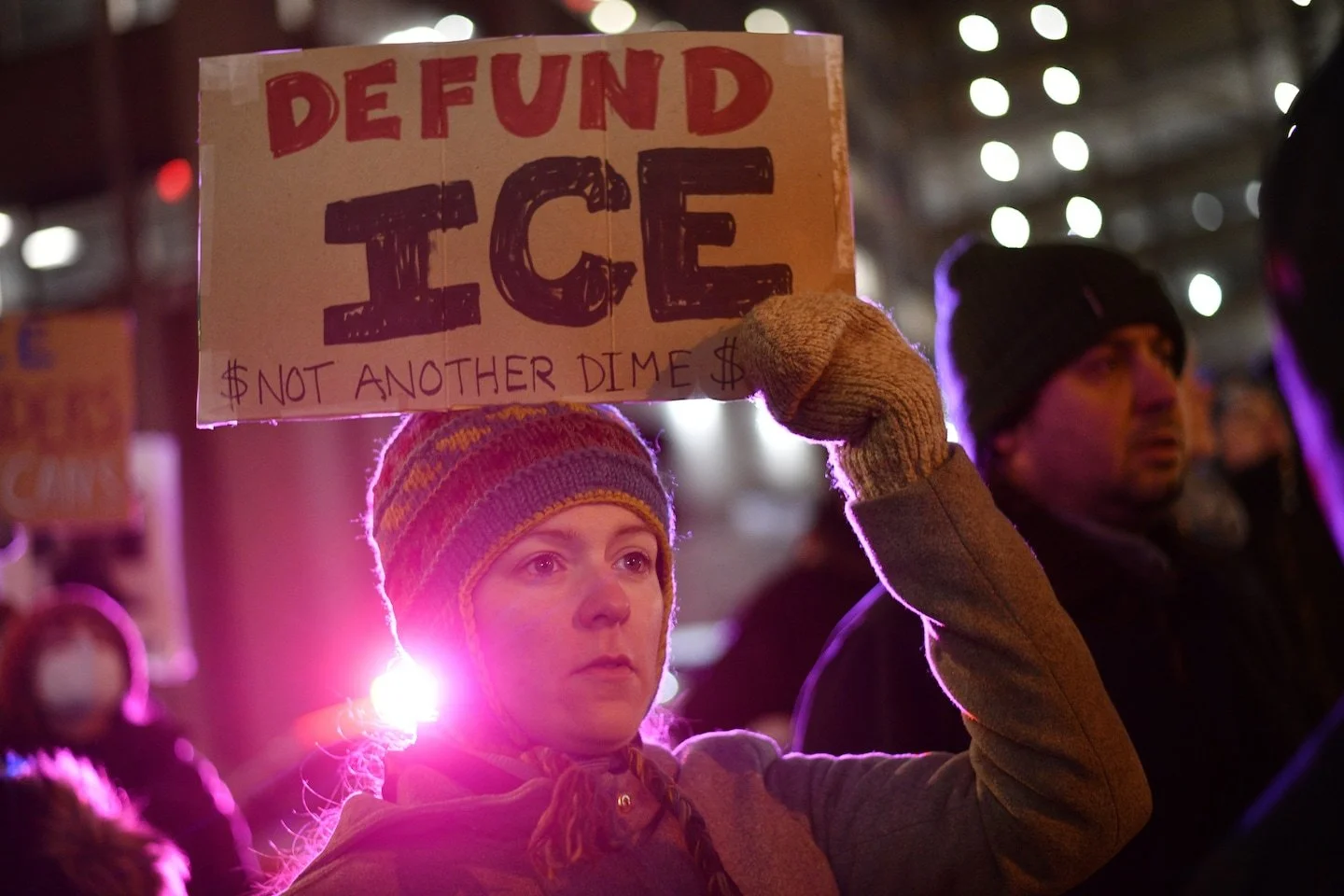
Over the past several weeks, Minnesota has become an unsettling mirror of something deeper than a series of federal enforcement operations. Numerous videos have circulated on social media documenting hostile interactions between agents of U.S. Immigration and Customs Enforcement (ICE) and members of the public: officers confronting people who are filming them, issuing verbal threats, or attempting to seize their phones by force.
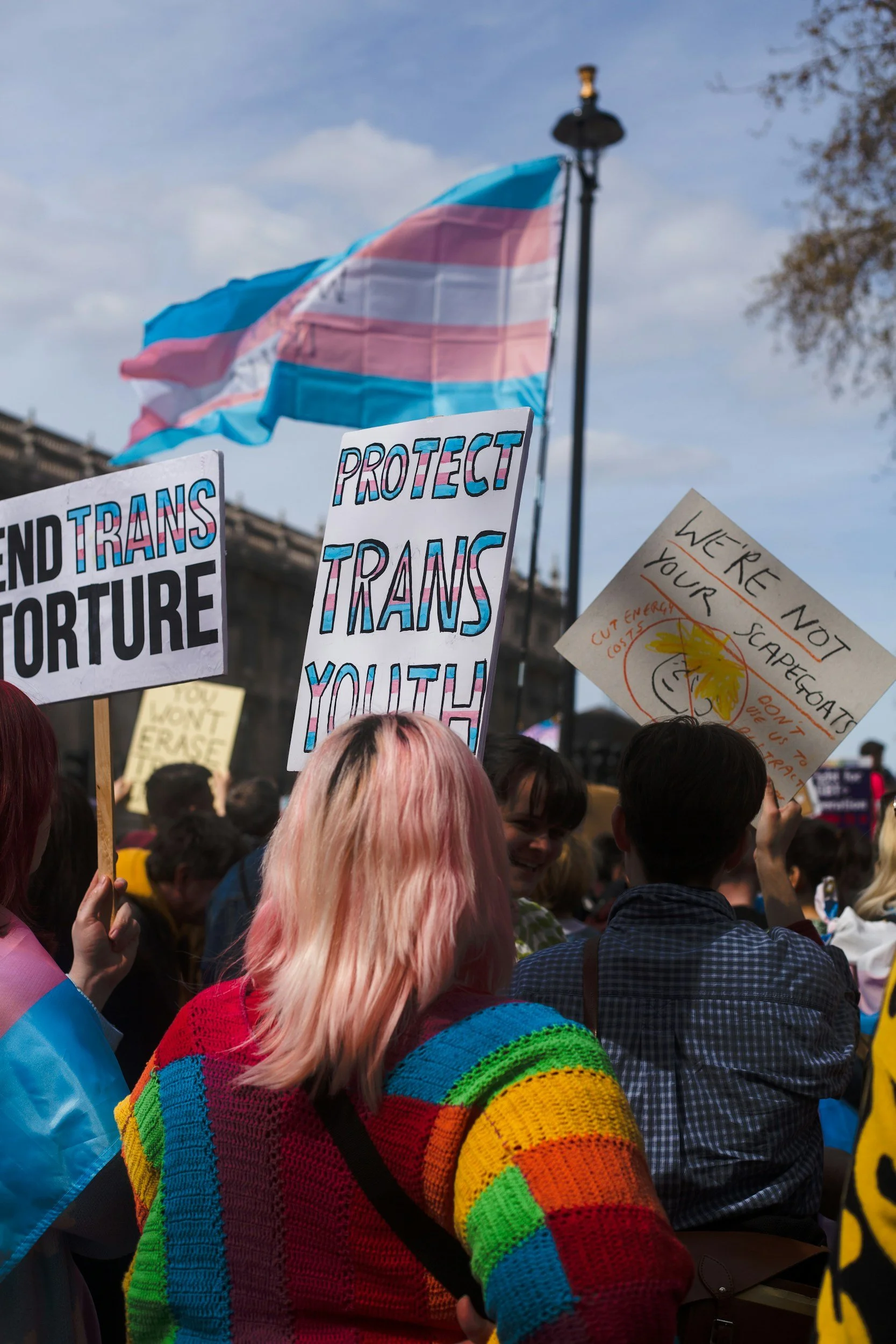
As our Civil Rights and Health Equity Project Fellow Allison Chapman explains below, transgender, nonbinary, and intersex Americans are the latest group of people to be excised from our nation’s framework of protections. Freedom of movement is a foundational human right, protected under Article 13 of the Universal Declaration of Human Rights. As we close out this year’s International Human Rights Day, please be sure to read Allison’s urgent piece on how that right is being curtailed for transgender, nonbinary, and intersex people and share our fact sheet on the current status of rapidly-changing federal policy surrounding our necessary travel documents.
A South Carolina bill that would have created one of the nation’s most extreme abortion bans has failed to advance in the state Senate. If passed, the bill would have outlawed nearly all abortion care, removed exceptions for rape, incest, and fatal fetal anomalies, and imposed prison sentences of up to 30 years on anyone who obtains or assists with an abortion, including the pregnant person. Although abortion-rights advocates rightfully celebrated the blocking of SB 323, legal scholars point out that pregnant people in the state already face scrutiny and even criminalization for pregnancy loss, despite the fact that abortion itself is not formally criminalized.
Since beginning his second presidential term, Donald Trump has made restricting healthcare access and civil rights a defining feature of his administration. Research shows that authoritarians often manufacture and weaponize moral panics around gender and sexuality to weaken democratic institutions. By targeting marginalized groups, they erode the civil rights protections that safeguard all citizens and consolidate political power. Controlling people’s bodies becomes a means of controlling populations, suppressing dissent, and maintaining social and political dominance. Through this lens we can determine that the Trump administration’s efforts to limit reproductive rights and LGBTQ equality are not isolated policy choices but part of a broader authoritarian playbook.
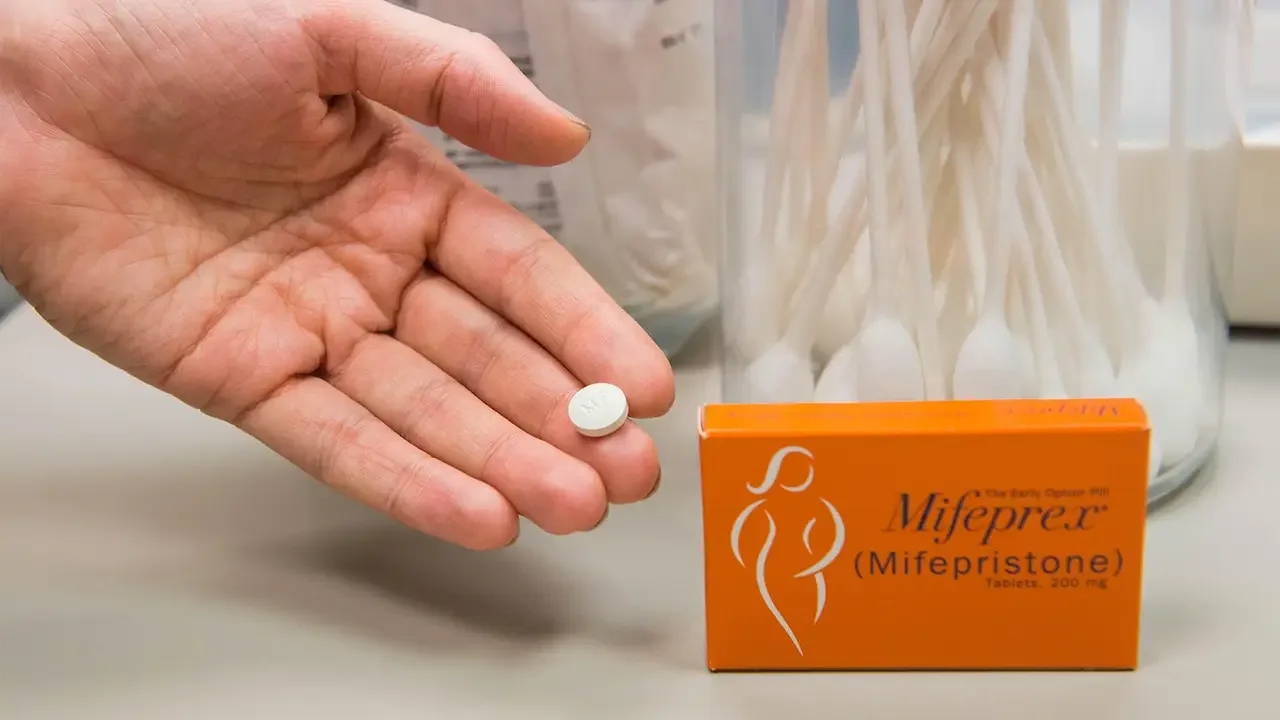
The Trump administration is considering restricting access to mifepristone, a medication used in nearly two-thirds of abortions in the United States and widely prescribed for miscarriage management. pproved by the Food and Drug Administration (FDA) 25 years ago, mifepristone has consistently been shown to be safe and effective. Although the FDA originally imposed burdensome Risk Evaluation and Mitigation Strategy (REMS) restrictions on the medication, it eased these requirements over time in response to extensive research supporting the drug’s safety.
The Trump administration is preparing a new rule that would block asylum seekers from obtaining work permits while their cases are pending. If enacted, this change would eliminate one of the only remaining lifelines in the U.S. asylum system. For over 30 years, asylum seekers have been able to apply for work permits after a certain waiting period. This proposal would undo that—turning survival into a privilege, and waiting into a punishment.
A blog post by Estuardo Cifuentes, Project Corazon Program Manager
Estuardo Cifuentes, Project Corazón Manager, speaks on the devastating impact of the reimplementation of the Migrant Protection Protocols (MPP). As a survivor of the program, Cifuentes sheds light on how MPP exposes migrants to violence, denies due process, and violates fundamental human rights, calling for urgent action to end this inhumane policy.