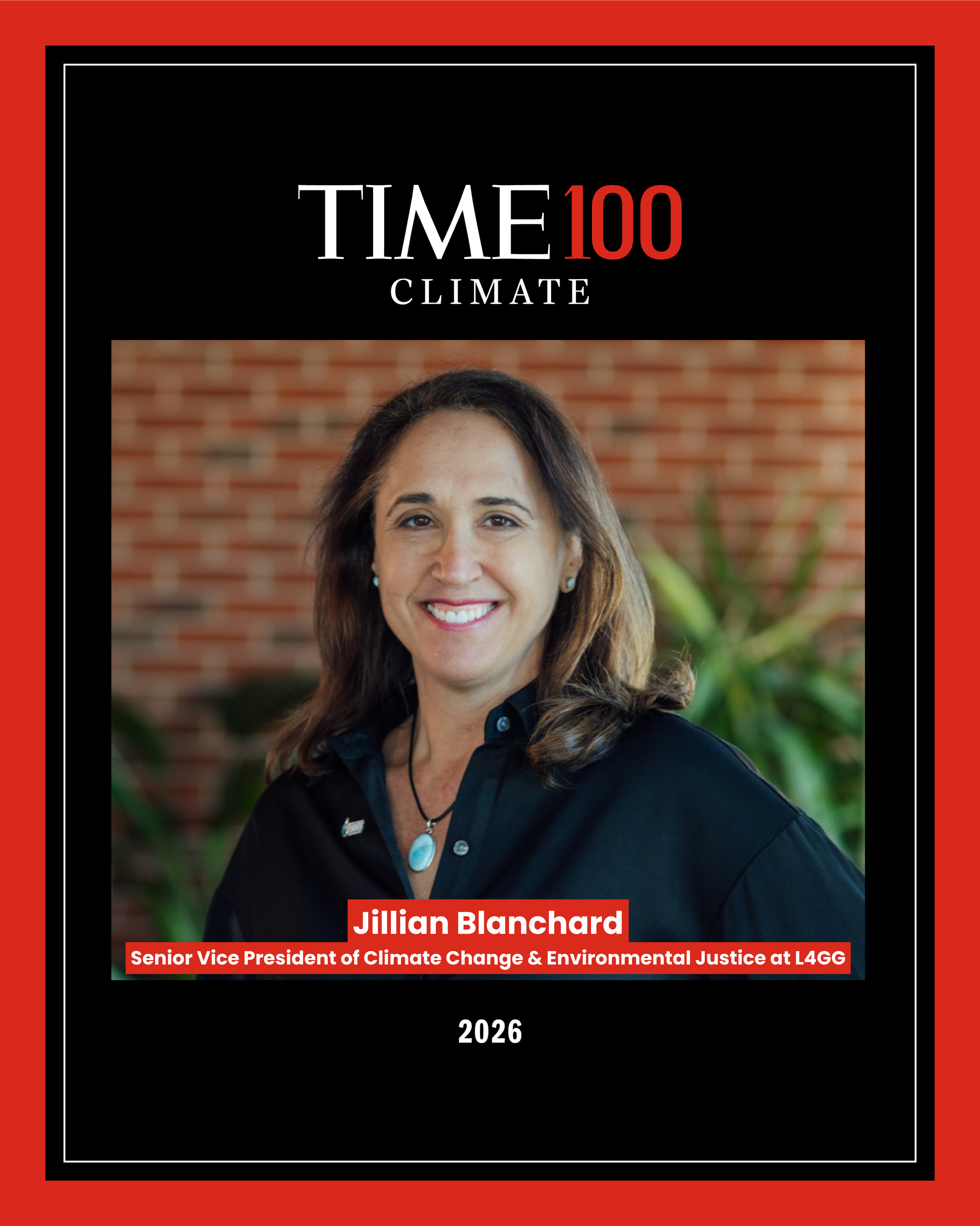
By Jillian Blanchard, Senior Vice President of Climate Change and Environmental Justice
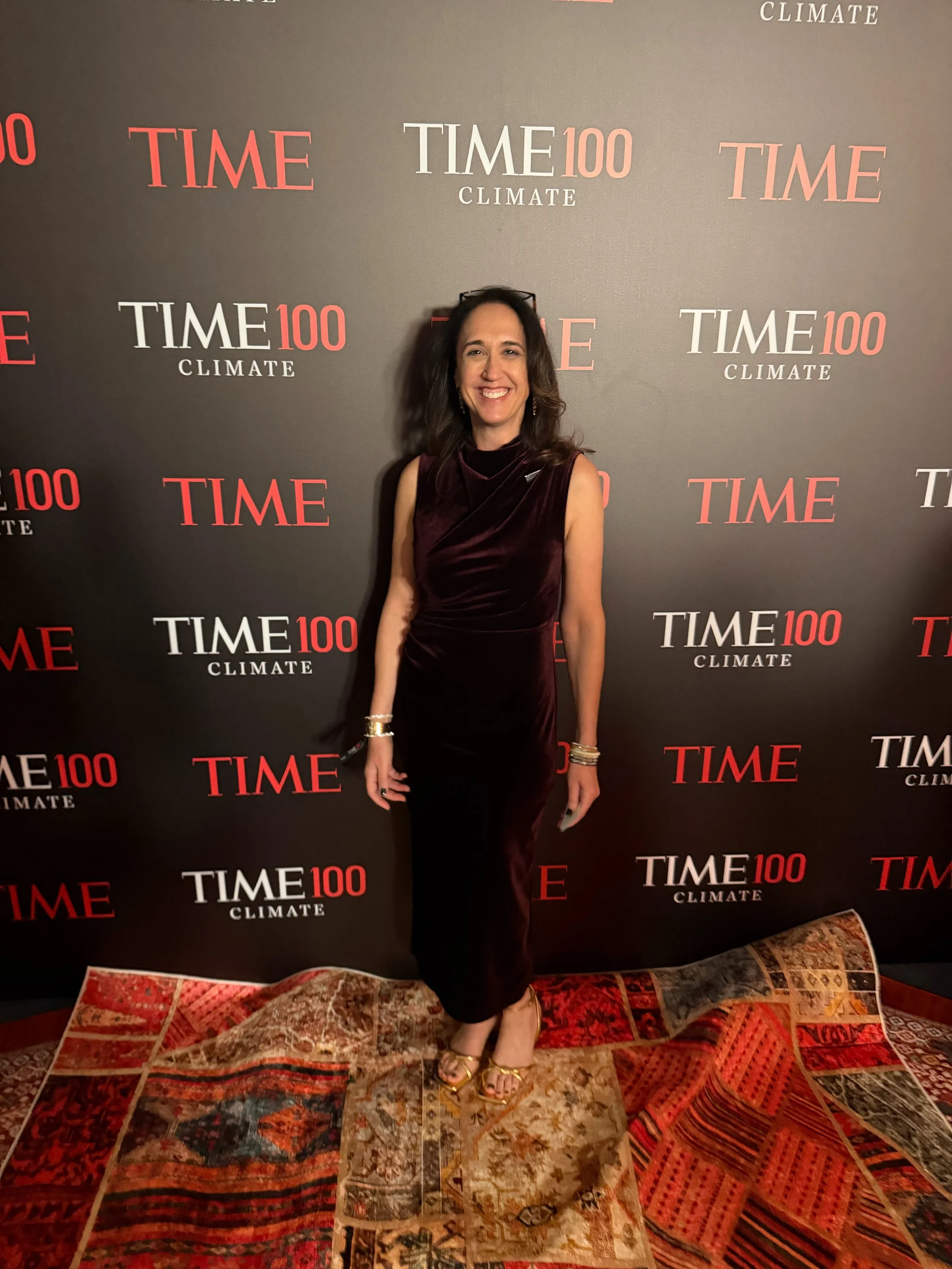
The COP31 climate negotiations have just wrapped, the U.S. has a new incoming Congress, and local entities continue to build clean energy and climate resilience projects even as the future of funding and global commitment to transitioning away from fossil fuels remain in flux. Needless to say, it’s been a complicated, challenging, and evolving time! I’ve been reflecting on the time Traci and I spent in Turkiye for COP31 and the TIME gala, and it is crystal clear that our Climate Change and Environmental Justice (CCEJ) work has never been more important.
First, I want to thank everyone for the outpouring of support following my inclusion in the TIME100 Climate list. I am profoundly honored and humbled. This global recognition reflects the hard work of our (CCEJ) team along with the entire Lawyers for Good Government network of pro bono attorneys who care about climate justice. Along with key partners, we have helped unlock, preserve, or recover more than $4.78B in crucial federal funding for frontline communities (and that doesn’t include the $7B in Solar for All). TIME’s recognition reminds us that legal work at the local level is a critical component of the fight for climate justice and a livable planet.

Lesson 1: The clean energy transition is here and happening
COP31 has officially ended … without a deal. It was the first time the talks failed to yield outcome text in 17 years, but the disagreement is an old and basic one: to address fossil fuels, or not to address fossil fuels? The discouraging outcome reminds us of the importance of good government, especially for multilateralism, and that the oil and gas industry continues to wield massive influence. But there is a sign of hope hidden in that failure: Part of why consensus rule decision-making is no longer working at COP is because many global leaders will no longer settle for the lowest common denominator. According to former VP Gore, “they want real action to implement and finance a just transition away from fossil fuels.” Gore has joined a widespread call for reforms to the UN climate summit decision-making process.
Despite the contentious outcome, COP31 side events with subnational leaders in the U.S. showcased some remarkable climate progress at the state and local level. The facts are clear - clean energy is the cheapest, and at this point, most reliable form of energy and grew by 11% in the United States in 2026 alone. So my main post-COP takeaway is what we’ve known all along: the clean energy transition is here and happening, led by local community leaders and supported by legal expertise, even in the face of significant headwinds from global leaders and the fossil fuel industrial complex. Don’t get me wrong, we need more federal and global investment to scale the effort, but the clean energy revolution is here to stay.
Lesson 2: Cities and states are leading in the U.S. & showed up in force
Despite an absence of federal leadership, the U.S. had a major COP31 presence at the state level: 120 state and local leaders formed a delegation through America is All In, US Climate Alliance, and Climate Mayors. This delegation included 25 governors’ offices, including some of the world’s largest communities, and cities and states with the footprints of whole countries. They came together to send a clear message to the international community that, despite the U.S. federal government's absence, the U.S. is absolutely invested in a swift transition to clean energy at the state level. That work is huge already and poised to be scaled.
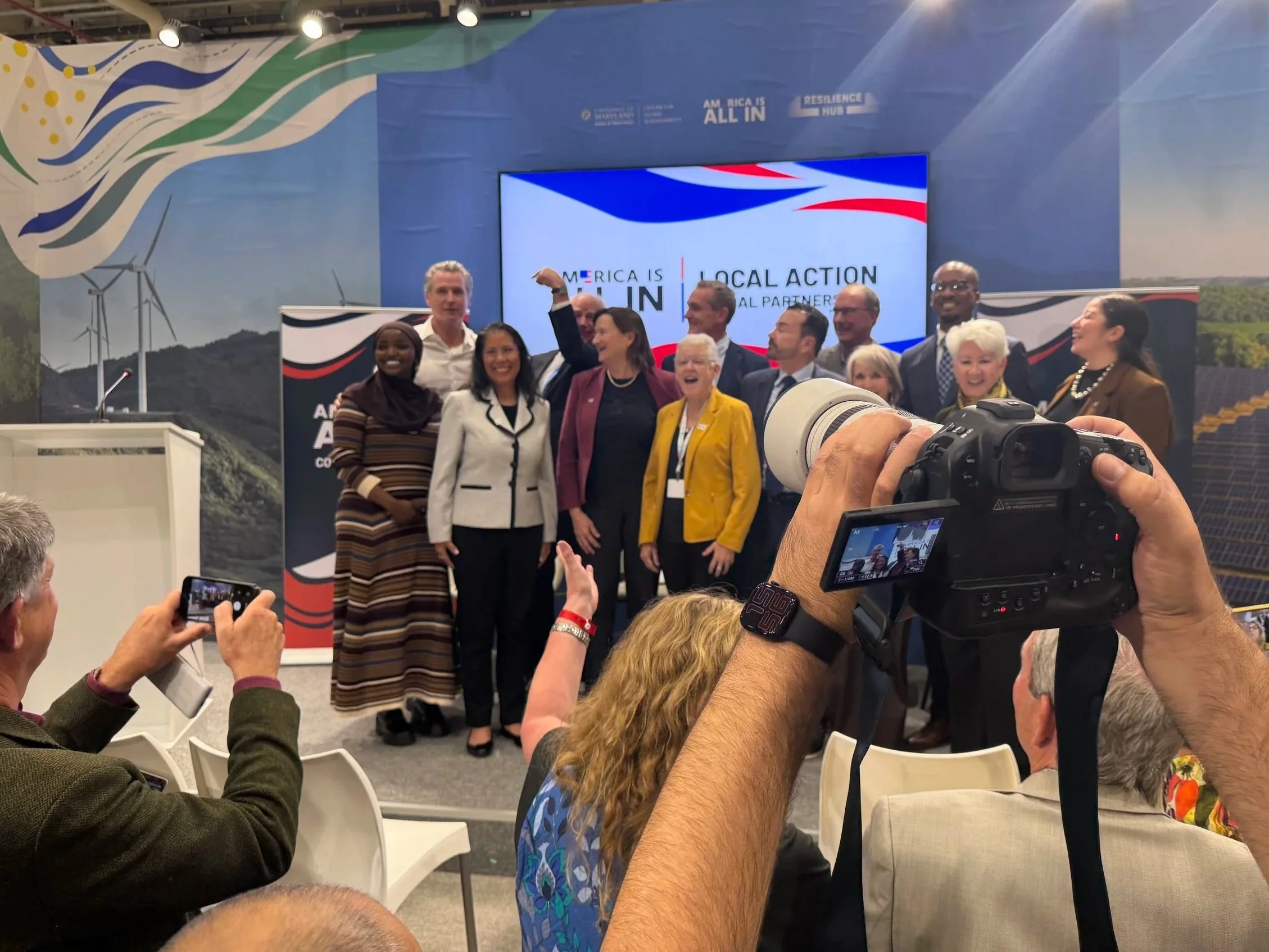
America is All In pavilion at COP31
Lesson 3: A stable power grid with independent backup and redundancy keeps us healthy
As part of the L4GG network, you already know how important stable, clean energy is to our lives and health. We see this in clean energy projects that our team and pro bono network has helped local entities build through our Elective Pay Sprint Hub and Washington CETCAP programs. Take Collective Energy in California, which is supporting a health center’s solar and energy storage project that would offset approximately 282 tons of carbon. This would save $115,000 annually in utility costs, or $5.64 million over 25 years. Not only does this ensure that the health center has a more stable and reliable energy source, but the savings allow that health center to focus its resources on essential, life-saving costs that give its patients the best possible outcomes.
The connection between our utility grid and health is even more striking on a global stage. At COP31, global majority countries are urgently seeking safe and reliable energy, with island nations pushing particularly hard for independent systems to support them in the face of stronger storms.
Lesson 4: Women are leading climate work
One of my favorite sessions at COP31 was the Women In Climate panel, put together by our partners at US Climate Alliance. The women featured in the panel included Jennifer Seibel, CA First Partner; Gina McCarthy, previous head of EPA; and Governor Lujan Grisham of New Mexico. These leaders talked about the intersectionality of climate and gender justice, and how gender justice advocates often are strong natural leaders in protecting the planet.
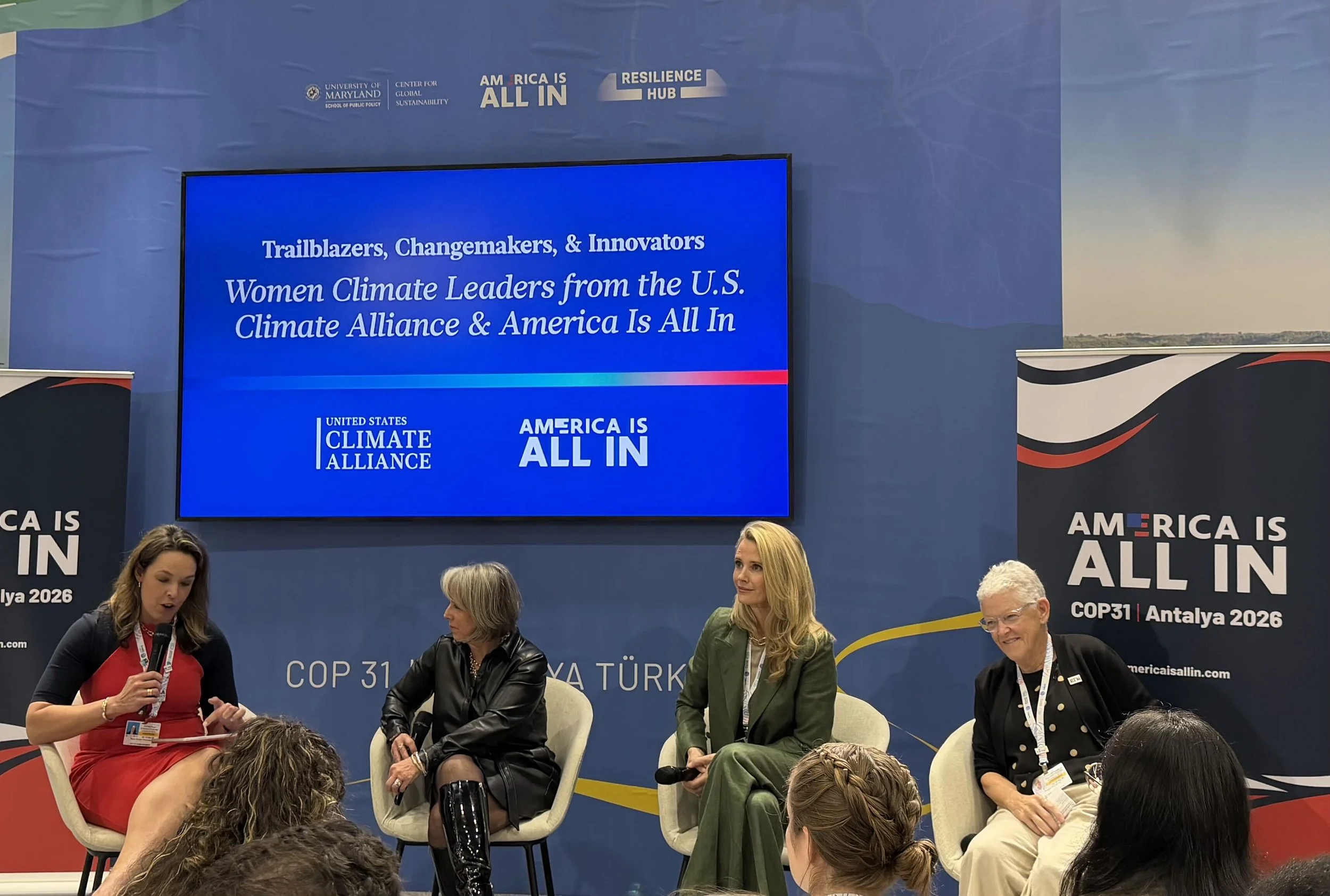
Pictured: U.S. Climate Alliance and America is All In’s “Women in Climate” Panel at COP31
Lesson 5: The work continues post-COP31
The work continues, both to improve future COP negotiations and right here in the U.S. With support from L4GG attorneys, local governments and nonprofits have made huge progress building clean energy and climate resilience projects, but the future is uncertain for the Elective Pay tax credits that make that work possible. As a new Congress prepares to take office, we have to make sure that they prioritize the programs and tax credits that climate-impacted communities need. Many of those community projects rely on Solar for All funding that was unlawfully stripped and remains stuck with the courts.
The current Congress is voting right now on the Bipartisan American Affordability and Jobs Act of 2026 (BAAJA), which claims to be about permitting reform but would actually bring about sweeping deregulation and would compound environmental injustice for frontline communities, while pushing harmful data center approvals. It has never been more important for lawyers to help translate these convoluted messages to bring the public the truth. With respect to BAAJA, it’s critical for lawyers and the public to understand that the bill would NOT guarantee any clean energy projects in the US, but would most certainly make it easier to permit data centers.
One thing is clear after COP31: we need lawyers more than ever to help us move clean energy projects forward at the local level. L4GG already has the partnerships and willing community developers, now we need more pro bono attorneys willing and ready to join us in expediting and deploying these critical projects that will save the planet from the ground up.